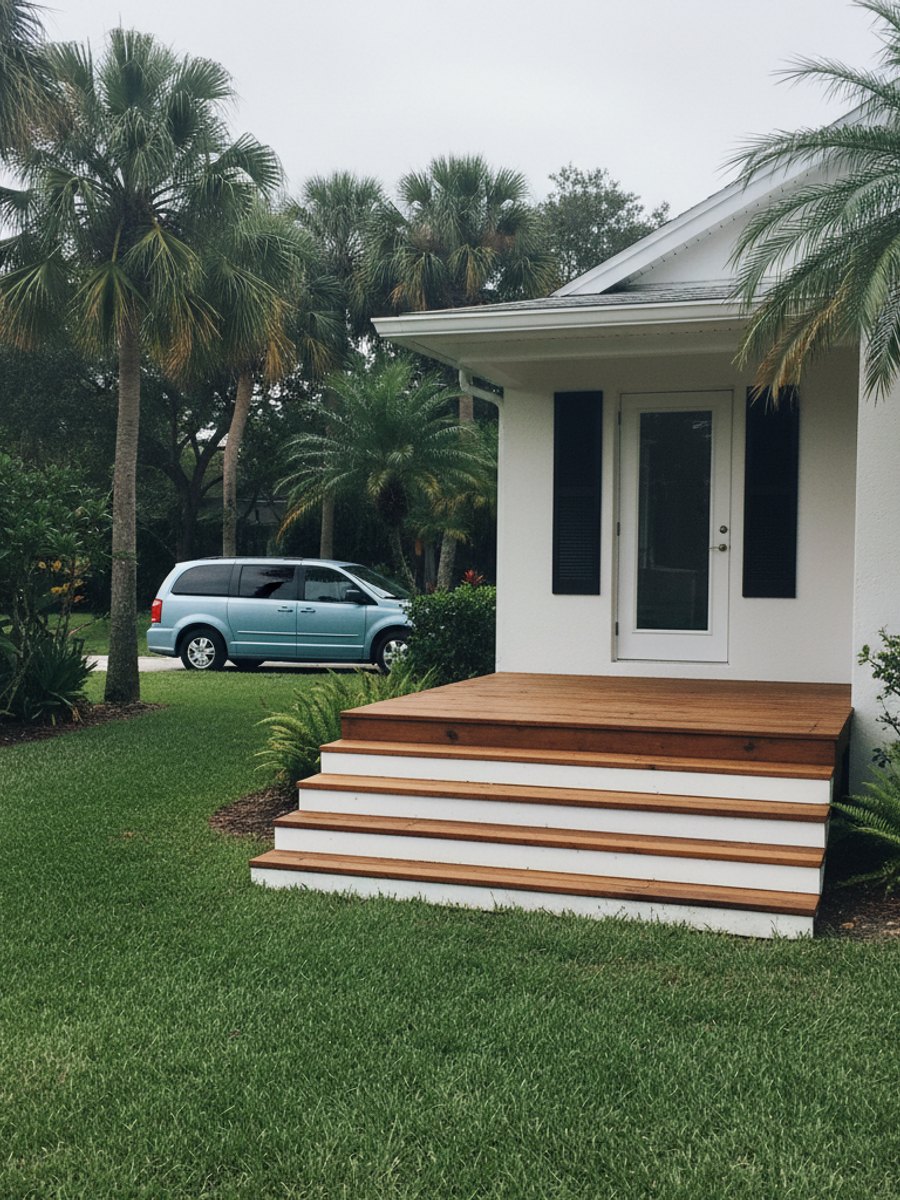
Most of the deck problems I get called out to fix started before the first board went down. Somebody skipped the soil check, nobody pulled a survey, or the contractor tied into a ledger board that was never flashed right. Coral Springs has its own set of things that trip people up, mostly because of the sand, the water table, and the fact that half this city is inside an HOA. Here's what's worth looking at before you spend a dollar.
What's actually under the dirt
South Florida doesn't have a frost line, so footings here aren't about digging below freeze depth like they are up north. They're about getting below the loose fill and into soil that won't shift. Most residential lots in Coral Springs sit on sandy soil over a water table that can be 3 to 6 feet down depending on the season and how close you are to a canal. Dig a post hole in August after a few weeks of rain and you'll hit water before you hit anything solid.
A few things worth checking:
- How deep the water table sits on your specific lot right now, not in theory. It moves a lot between dry season and wet season.
- Whether your soil has been disturbed by fill. A lot of the newer subdivisions west of University Drive were built on trucked-in fill, and it doesn't always compact evenly.
- Footing depth. Code minimum for deck post footings here usually runs 12 inches below grade, but sandy soil with a high water table sometimes needs wider footings rather than deeper ones to spread the load.
What the county needs to see
Coral Springs requires a permit for a deck that's attached to the house or elevated more than a certain height, and the Building Division will inspect footings, framing, and electrical if you're running lights or an outlet out there. They'll want to see the footing holes before concrete goes in, so don't pour on a Friday afternoon hoping nobody notices.
If your deck is anywhere near a property line, a setback check matters more than people think. A lot of Coral Springs lots have a 25-foot rear setback, but it varies by zoning and some of the older platted neighborhoods have odd lot shapes left over from how they were subdivided in the 70s and 80s. Pulling your survey before design saves you from redrawing plans later.
And if you're in one of the HOA communities, which is most of this city, get architectural approval before the permit application, not after. HOAs here care about things the county doesn't, like railing style and whether the decking color matches the house trim.
What's already bolted to your house
If the deck is attaching to the house with a ledger board, that connection is the single most important joint on the whole structure. It needs proper flashing behind the siding, not just caulk, and it needs lag bolts or through-bolts into the rim joist, not just screws into siding. Humidity here is brutal on any gap that lets water sit against wood, and a bad ledger connection is how decks end up sagging away from the house two or three years in.
Check the condition of your existing rim joist and siding where the ledger will go. On houses built before the mid-90s, especially in the older sections near Royal Palm Park or around Riverside Drive, you sometimes find old stucco-over-wood construction that needs extra attention before anything gets bolted to it.
Wood, composite, and what this climate does to both
Pressure-treated pine is still the cheapest way to frame a deck, and it holds up fine as structure since it's usually not exposed directly to sun and rain the way decking boards are. For the walking surface, you're choosing between wood that needs staining and sealing every 1 to 2 years in this UV and humidity, or composite that costs more up front and doesn't.
A few things that matter more here than in a drier climate:
- Fasteners should be stainless steel or coated for coastal use. Standard galvanized hardware corrodes faster this close to the coast, even 10 or 15 miles inland.
- Termites are a real issue. Subterranean termites are active year-round in Broward County, and untreated wood framing in contact with soil is an invitation.
- Composite boards expand and contract with heat. Gaps between boards need to account for a Florida summer, not just whatever the manufacturer's chart says for a cooler region.
The stuff people forget until it's a problem
If you're building a pool deck, the surface and drainage have to meet different code requirements than a standard deck, including slip resistance and how water sheds away from the pool edge. Pool decks here also deal with splash-out and chlorine exposure, which eats cheap sealants fast.
If you're screening in the deck or porch, check your wind load rating. Broward County sits partly in the high-velocity hurricane zone, and screen enclosures need framing and anchoring rated for it, not the lighter aluminum kit you'd see in a milder climate.
And check drainage under the deck itself. Flat Coral Springs lots don't give water much slope to work with, so a low deck built tight to grade can trap water underneath after a heavy summer downpour, which is most afternoons from June through September. A couple inches of clearance and a slight grade away from the house keeps that from turning into standing water and rot.
None of this is complicated, but it's easy to skip when you're excited to get the project moving. Checking it upfront is cheaper than fixing a sagging ledger or a cracked footing two years from now. If you want a second set of eyes on your site before you commit to a design, that's the kind of walk-through Quantum Deck does before any contract gets signed.